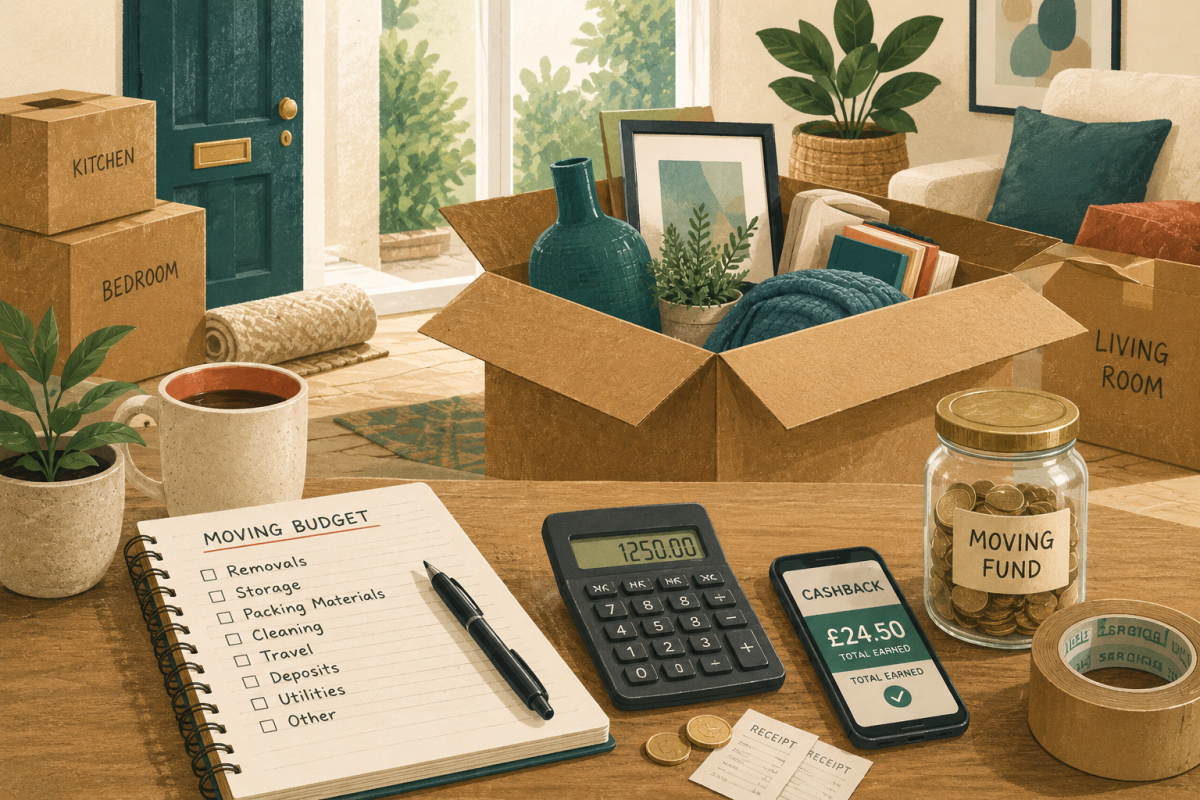
Funding Your Move Without Unnecessary Financial Pressure
Moving house can be expensive, even when you’ve planned carefully. Removal costs, packing materials, storage, deposits, travel expenses, and unexpected surprises can all add pressure to your finances. While reducing costs is always worthwhile, there are times when raising a little extra money beforehand can make the entire process much less stressful.
Unlike long-term financial planning or building a second income, this guide focuses on practical ways to generate additional funds specifically for your move. Many of these ideas use things you already own or opportunities that require only a short-term commitment, helping you prepare for moving day without taking on unnecessary debt.
If you’re also looking for practical ways to reduce your overall moving costs, we recommend reading our companion guide: How to Save Money Before Moving House, which explores budgeting, planning, and avoiding unnecessary moving expenses.
Contents
- Estimate Your Moving Costs First
- Sell Unwanted Household Items
- Consider Short-Term Freelance or Weekend Work
- Use Cashback and Reward Programmes
- Rent Out Items You Rarely Use
- Check for Refunds, Deposits and Money You’re Owed
- Avoid Borrowing Unless It’s Absolutely Necessary
- Combine Raising Money with Good Moving Planning
- Frequently Asked Question
Estimate Your Moving Costs First
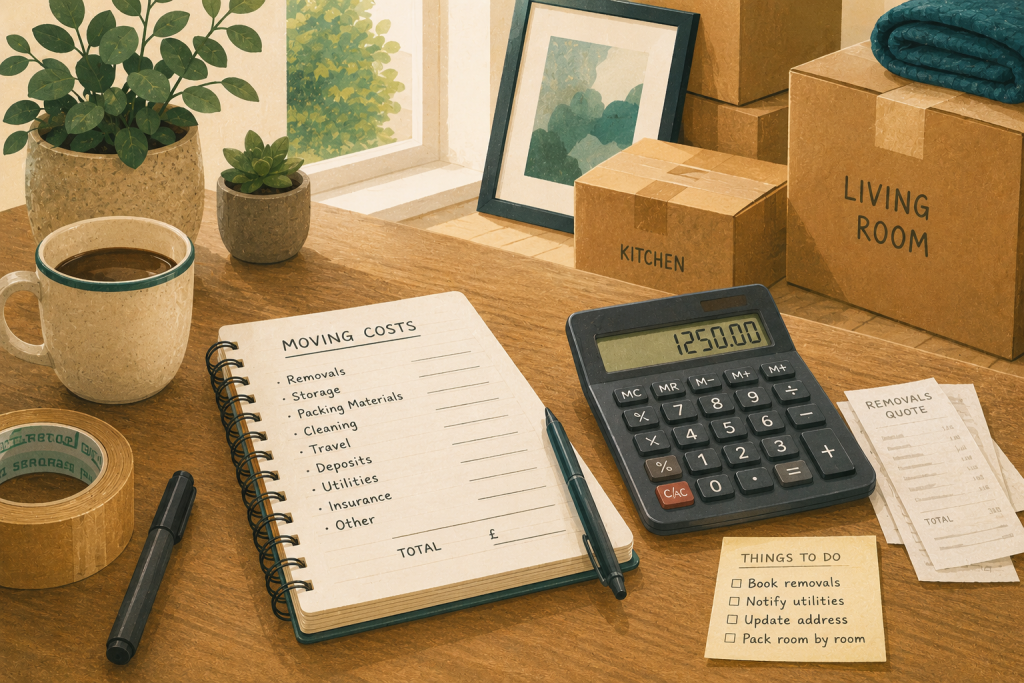
Before trying to raise additional money, it’s worth understanding how much you actually need.
Many people simply assume moving will be expensive without calculating the likely costs. Creating a basic moving budget helps you set a realistic target and prevents unnecessary borrowing.
Typical moving expenses may include:
- removals services
- storage
- packing materials
- cleaning
- travel costs
- deposits
- utility connection charges
Once you know roughly how much your move is likely to cost, you can decide whether you need to generate additional income or simply reduce your spending.
If you haven’t already done so, our guide on How to Save Money Before Moving House explains how to build a practical moving budget before you begin.
Move Store & More Tip #1 – Know how much you need before looking for ways to raise extra money.
Sell Unwanted Household Items

Selling unwanted belongings is one of the quickest ways to generate extra money before moving house.
Better still, every item you sell is one less item you’ll need to pack, transport, and unpack.
Common items people successfully sell include:
- furniture
- electrical appliances
- bicycles
- garden equipment
- children’s toys
- tools
- decorative items
Online marketplaces, community selling groups, and local classified websites all provide opportunities to turn unwanted possessions into moving funds.
If an item isn’t worth selling, donating or recycling it still reduces the volume of your move.
For a more detailed look at selling unwanted belongings, see our guide on Decluttering Before Moving? How to Turn Unwanted Items Into Extra Cash.
Move Store & More Tip #2 – Selling unwanted belongings can reduce both your moving costs and your packing time.
Consider Short-Term Freelance or Weekend Work
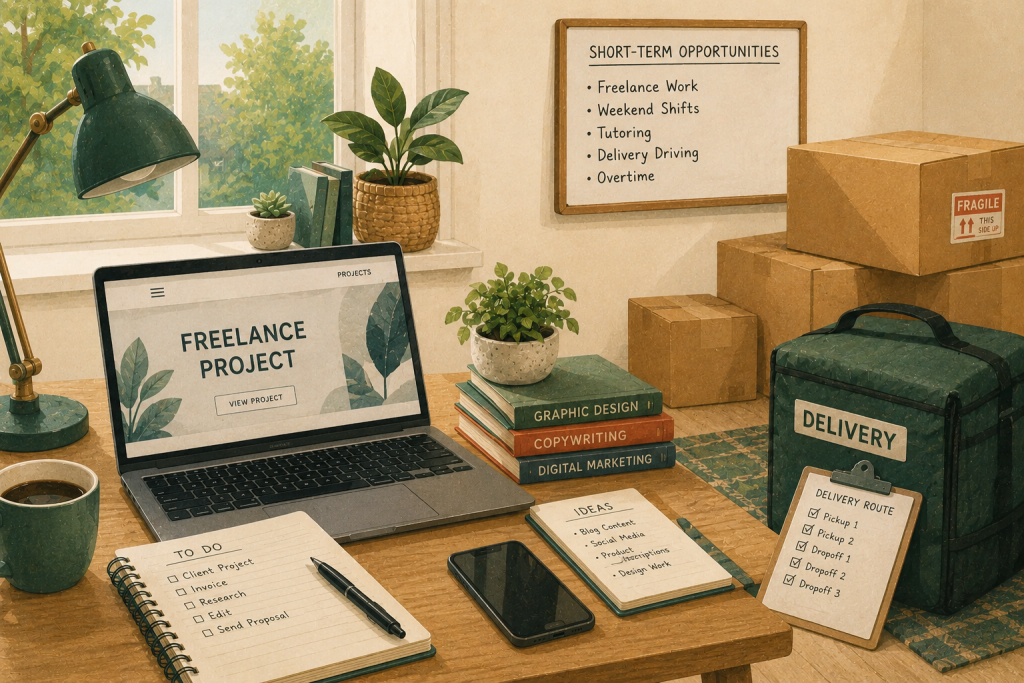
If your moving budget needs a little extra support, temporary work may help bridge the gap.
Rather than committing to a long-term second job, consider opportunities such as:
- weekend shifts
- freelance work
- overtime
- tutoring
- seasonal employment
- delivery driving (where appropriate)
The key is finding work that fits around your existing commitments without creating unnecessary stress during an already busy period.
Remember that your goal isn’t to create a permanent second income. You’re simply generating additional funds to help cover moving-related expenses.
Move Store & More Tip #3 – Focus on short-term opportunities that fit around your moving schedule.
Use Cashback and Reward Programmes
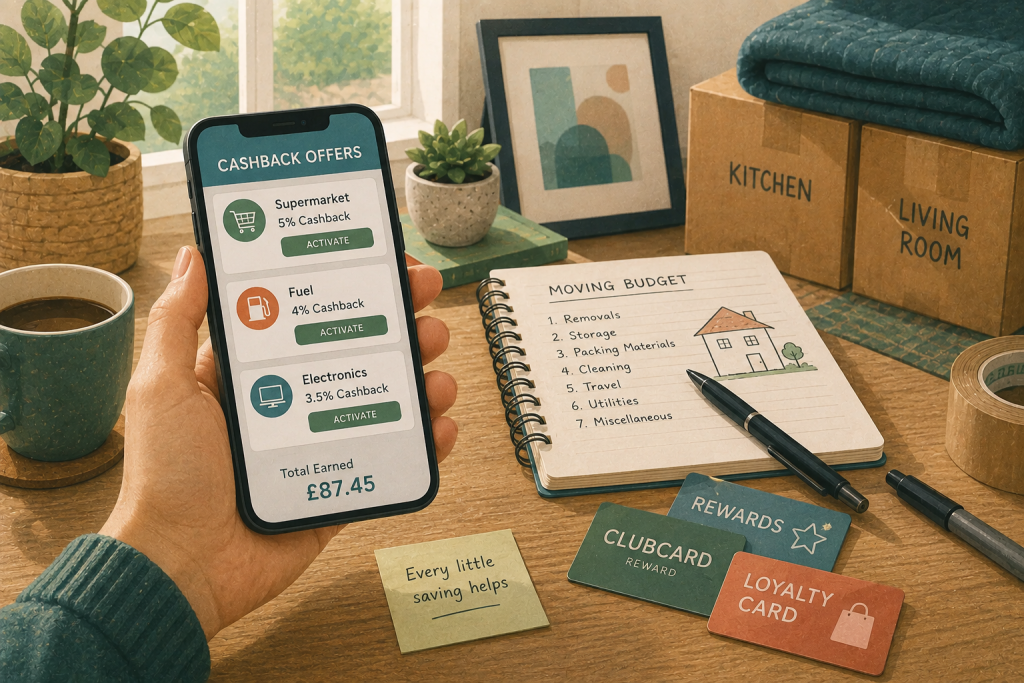
While cashback offers won’t fund an entire move, they can help reduce everyday spending while you’re preparing.
Many people already use cashback websites, supermarket reward schemes, or credit card reward programmes without fully taking advantage of them.
Examples include:
- supermarket loyalty schemes
- cashback websites
- fuel reward programmes
- retailer reward cards
Small savings across several weeks can help contribute towards moving expenses such as packing materials or fuel.
Just be careful not to spend money simply to earn rewards.
Move Store & More Tip #4 – Treat cashback as a bonus rather than a reason to spend more.
Rent Out Items You Rarely Use

Some people own equipment that’s only used occasionally.
Depending on your circumstances, you may be able to generate temporary income by renting out:
- power tools
- gardening equipment
- camera equipment
- camping gear
- secure parking spaces
- storage space (where appropriate)
This approach allows you to earn additional money without permanently selling useful possessions.
Always ensure any rental arrangements are properly insured and suitable for the item involved.
Move Store & More Tip #5 – Consider whether underused items could generate temporary income before your move.
Check for Refunds, Deposits and Money You’re Owed
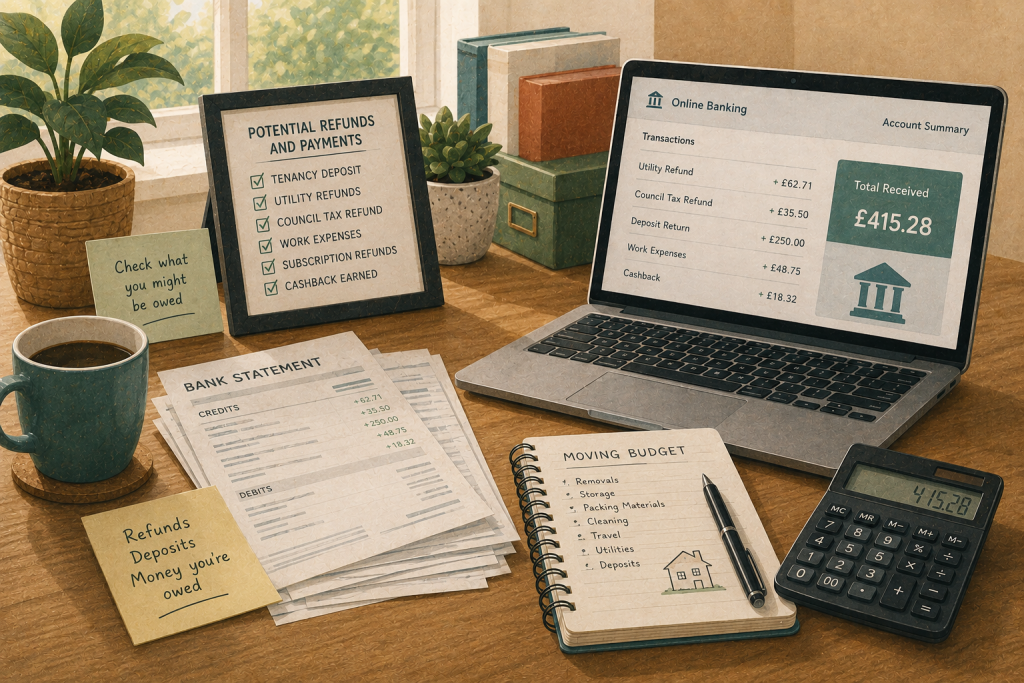
Before looking for new sources of income, check whether you’re already owed money.
Examples may include:
- tenancy deposits
- refundable utility balances
- council tax refunds
- workplace expenses
- subscription refunds
- cashback you’ve already earned
Many people overlook these potential sources of funds during the busy lead-up to moving house.
If you’re moving out of rented accommodation, you may also find our guide on Moving Out? How to Secure Your Full Rental Deposit helpful.
Move Store & More Tip #6 – Check whether you’re already owed money before looking elsewhere.
Avoid Borrowing Unless It’s Absolutely Necessary

Borrowing money can sometimes seem like the quickest solution, but it’s worth exploring other options first.
Selling unused belongings, careful budgeting, reducing unnecessary spending, and generating small amounts of extra income may remove the need for borrowing altogether.
If borrowing does become necessary, make sure you understand the repayment terms and how they’ll affect your finances after moving.
The aim is to start life in your new home with as little financial pressure as possible.
Move Store & More Tip #7 – Explore practical alternatives before relying on loans or credit.
Combine Raising Money with Good Moving Planning

The most successful moves usually combine two approaches:
- reducing unnecessary costs
- raising extra funds where needed
Rather than relying on one strategy alone, combining careful budgeting, decluttering, early planning, and practical fundraising can make moving far more affordable.
You don’t necessarily need to generate thousands of pounds. Even relatively modest amounts can help cover packing materials, storage, cleaning, or removal costs.
For more ideas on reducing moving expenses, don’t forget to read our companion guide:
How to Save Money Before Moving House
Together, these two guides provide a practical framework for planning a more affordable move.
Move Store & More Tip #8 – Combining good planning with a little extra income often produces the biggest savings.
Frequently Asked Questions
How much extra money should I save before moving house?
Every move is different, but creating a realistic moving budget first will help you understand whether you need additional funds.
What’s the quickest way to raise money before moving?
Selling unwanted household belongings is often one of the fastest options, especially because it also reduces the number of items you need to move.
Should I take out a loan to pay for moving costs?
Borrowing should generally be considered after exploring alternatives such as budgeting, selling unwanted items, or reducing moving expenses.
Can decluttering really help fund a move?
Yes. Selling unwanted furniture, appliances, and household items can both generate extra money and reduce removal costs.
Is it worth using cashback websites before moving?
Cashback can provide useful savings, provided you’re buying items you genuinely need rather than spending simply to receive rewards.
Move Store & More – Helping You Fund a Successful Move
Moving house doesn’t have to place unnecessary strain on your finances. By understanding your likely costs, selling unwanted belongings, using temporary income opportunities, and checking for money you’re already owed, you can often raise useful funds without dramatically changing your lifestyle.
Combined with careful planning and sensible budgeting, these practical steps can make your move significantly more affordable.
At Move Store & More, we aim to help people make informed decisions before, during, and after moving house. Whether you’re looking to reduce costs, organise your relocation more effectively, or simply avoid common moving mistakes, we’re here to provide practical advice that helps you move with confidence.
If you still have questions regarding this topic that we haven’t covered, please get in touch or leave a comment, and we’ll do some additional digging. Wherever possible, we’ll seek answers and update our guides with useful information.
We’ll be back with a new blog shortly. Until then, go well, and we hope you’ll Move, Store & More with us soon.
Don’t forget to check out our top suggestions for moving companies by visiting our dedicated “best of” page.