
Moving house isn’t just about packing boxes and hiring a van. What you choose to take with you plays a huge role in how expensive, stressful, and time-consuming your move becomes. Decluttering before a move is one of the simplest ways to stay in control.
In this guide, we’ll break down how decluttering directly impacts your moving costs, how to approach it without overwhelm, and how it ties into storage and packing. If done right, this is one of the easiest wins when planning a relocation.
📑 Contents
- Quick Summary: Why Decluttering Before Moving Matters
- Why Decluttering Before Moving Saves You Money
- Start Early: Give Yourself Time to Declutter Properly
- How to Decide What to Keep (Without Overthinking It)
- Decluttering Before Packing Makes Everything Easier
- Using Storage While Decluttering for a Move
- Sell, Donate, or Recycle – What to Do with Unwanted Items
- The Moving Day Advantage of Decluttering
- Final Thoughts: Move Smarter, Not Heavier
- Quick Decluttering Checklist Before Moving
- Frequently Asked Questions: Decluttering Before Moving
Quick Summary: Why Decluttering Before Moving Matters
- Reduces the total volume of items you need to move
- Can lower removal costs significantly
- Makes packing and unpacking faster and easier
- Helps you avoid taking unnecessary clutter into your new home
- Works perfectly alongside self storage solutions
- Saves you from lugging your problems with you when moving.
Why Decluttering Before Moving Saves You Money
Most people don’t realise this, but removal costs are often based on volume and time.
The more items you have:
- The longer the packing takes
- The larger the vehicle required
- The more labour is involved.
That all adds up.
Decluttering cuts this down immediately. Fewer boxes mean:
- Fewer hours billed
- Less packing material required
- A more efficient move overall.
There’s also a second layer to this. Many people pay to move items they never use, only for them to sit in a cupboard or garage in the new property. Removing these before moving day is the simplest way to avoid wasting money.
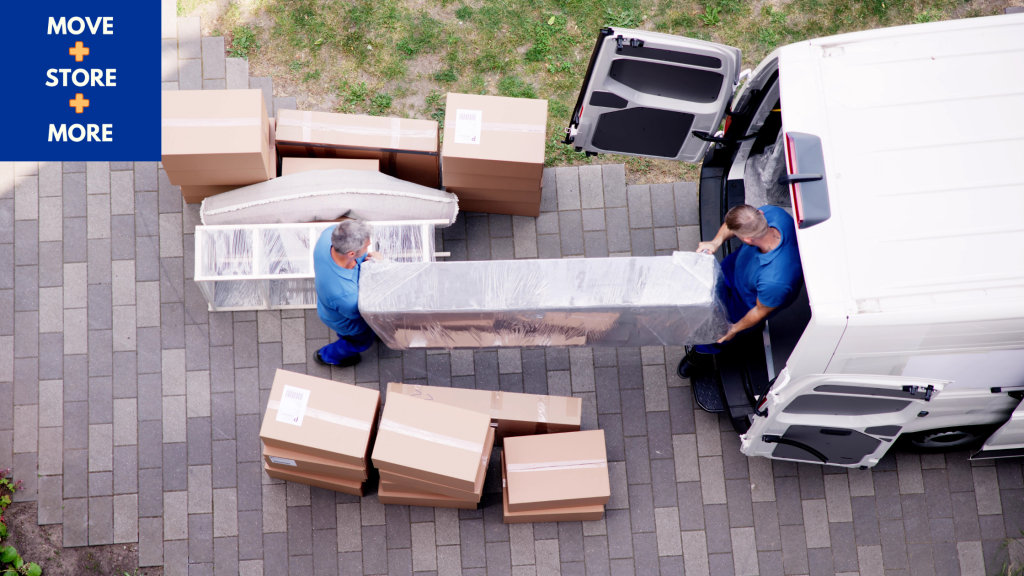
Move Store & More Tip #1 – Reduce your load size early to cut down on removal time and overall costs.
Start Early: Give Yourself Time to Declutter Properly
Decluttering isn’t something you want to rush the week before moving.
A realistic timeframe is 3–4 weeks before your moving date. This gives you enough time to:
- Go room by room
- Make proper decisions (instead of rushing)
- Avoid second-guessing what to keep
If you leave it too late, everything gets thrown into boxes “just in case”—which defeats the point entirely.
This timeframe hits the sweet spot between too rushed (you’ll often see advice to rush it in 1 week!) and taking overly long to get the job done. You also give yourself enough leeway to take a day off when needed. You can read our blog about the benefits of starting your relocation prep early here.

Move Store & More Tip #2 – Start decluttering at least 3–4 weeks before your moving date to stay in control.
How to Decide What to Keep (Without Overthinking It)
One of the biggest sticking points is knowing what to get rid of.
A simple rule works well here:
- Use it regularly? Keep it
- Used occasionally? Consider it carefully
- Haven’t used it in a year? Let it go.
You can also create three categories:
- Keep
- Donate / Sell
- Dispose/repurpose.
This keeps the process structured and avoids decision fatigue.
Did you notice us sneak in repurpose? We always encourage sustainable decluttering, so wherever possible, repurpose or reuse items with alternative uses. Otherwise, ensure that you’re contributing as little as possible towards waste going to a landfill.
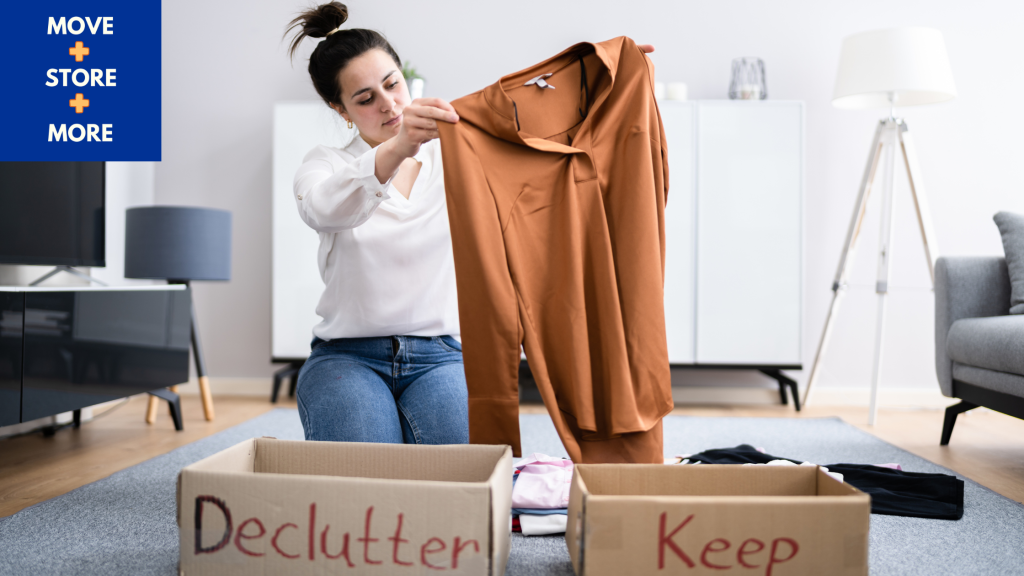
Move Store & More Tip #3 – If you haven’t used it in a year, it’s probably time to let it go.
Decluttering Before Packing Makes Everything Easier
Packing becomes far more manageable when you’ve already reduced your load.
Instead of boxing everything and sorting it later, you:
- Only pack what actually matters
- Label boxes more accurately
- Avoid unnecessary duplication
It also makes unpacking much smoother. You won’t be opening boxes in your new home, wondering why you brought half of it with you.

Move Store & More Tip #4 – Only pack items you’ve already decided to keep—don’t sort after the move.
Using Storage While Decluttering for a Move
Decluttering and storage work hand-in-hand.
If you’re preparing for a move, renting a storage unit early can:
- Free up space in your home
- Allow you to pack gradually
- Reduce clutter during the final weeks
You can move packed boxes into storage as you go, instead of stacking everything in your living space. This makes day-to-day life far easier during the moving process.
It also gives you flexibility if your moving dates don’t line up perfectly.
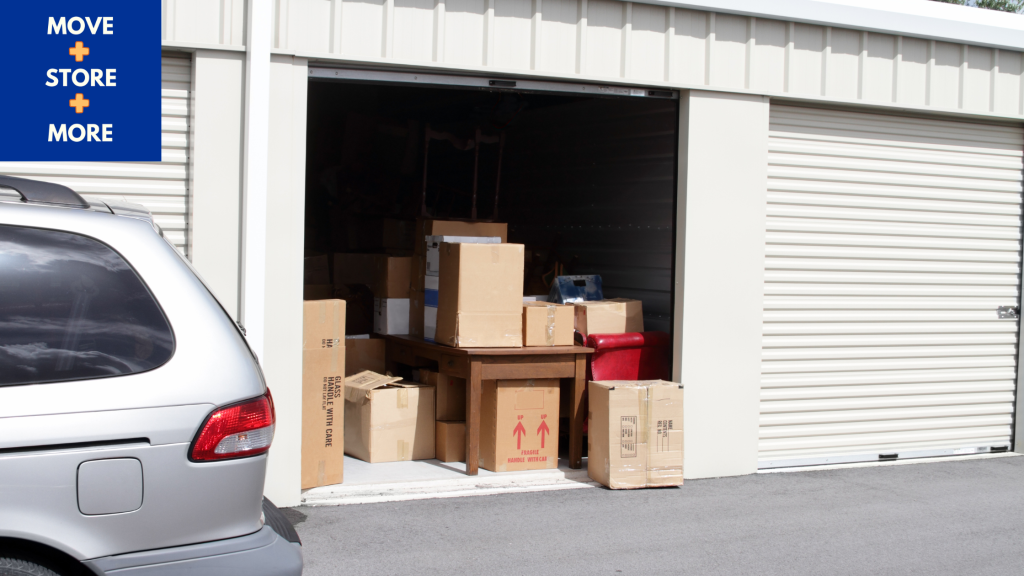
Move Store & More Tip #5 – Use storage early to free up space and make packing more manageable.
Sell, Donate, or Recycle – What to Do with Unwanted Items
Decluttering doesn’t mean throwing everything away.
You’ve got a few solid options:
- Sell valuable items online
- Donate usable goods to charities
- Recycle where possible
Many local councils offer recycling schemes, and there are plenty of drop-off points for household materials. Taking this approach helps reduce waste while still clearing space effectively.
Click here to locate the nearest recycling point to you. This is for people in the UK only, but Google is your friend; simply type your location and recycling points, and we’re certain you’ll find what you’re looking for.
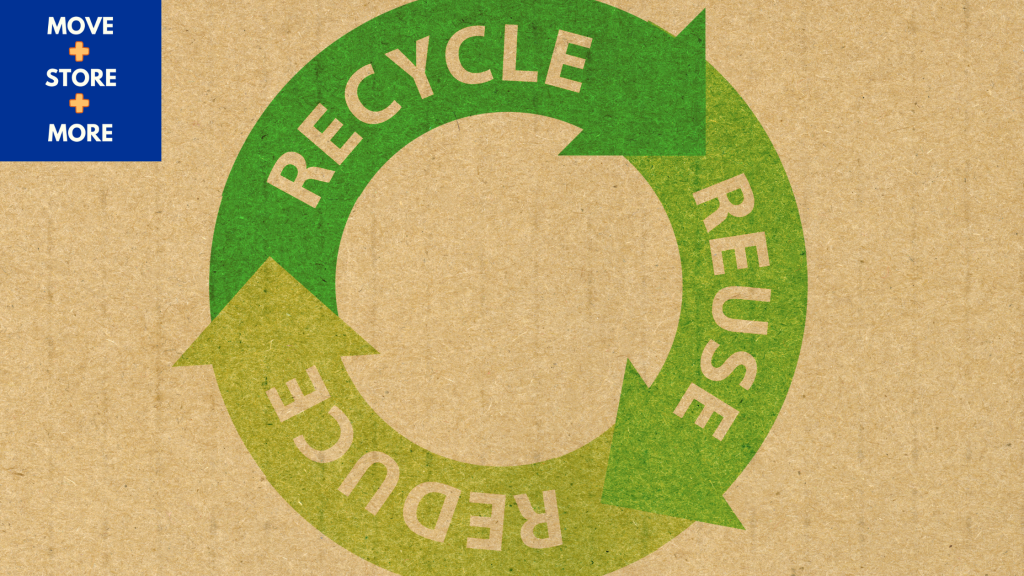
Move Store & More Tip #6 – Sell or donate usable items instead of throwing everything away.
The Moving Day Advantage of Decluttering
When moving day arrives, the benefits become obvious.
You’ll have:
- fewer boxes to transport
- a faster loading and unloading process
- Managing your belongings reduces stress.
Removal teams can work more efficiently, and you’ll have a clearer idea of where everything is going in your new home.
It’s one of those rare situations where a bit of effort up front pays off massively later.
Move Store & More Tip #7 – Fewer boxes mean a faster, less stressful moving day.
Final Thoughts: Move Smarter, Not Heavier
Decluttering before moving house isn’t the most exciting part of the process—but it’s one of the most valuable.
By reducing what you take with you, you:
- cut costs
- simplify the move
- start fresh in your new space
If you’re planning a relocation, don’t skip this step. A well-organised move starts long before moving day—and decluttering is where it begins.
Move Store & More Tip #8 – A lighter move is always a smarter move—only take what you truly need.
✅ Quick Decluttering Checklist Before Moving
- Start at least 3–4 weeks before moving day
- Use a blank calendar to calculate your timeline
- Assign specific tasks per week
- Go room by room (don’t try to do everything at once)
- Create keep/donate /dispose categories
- Sell or donate usable items
- Use storage to free up space early
- Only pack what you actually need
Move Store & More Tip #9 – Follow a simple checklist to stay organised and avoid last-minute stress.
Frequently Asked Questions: Decluttering Before Moving
How far in advance should I start decluttering before moving house?
Ideally, you should start decluttering 3–4 weeks before your moving date. This gives you enough time to go room by room, make clear decisions, and avoid rushing the process at the last minute.
Does decluttering really reduce moving costs?
Yes—decluttering can significantly reduce moving costs. Removal companies often charge based on volume, time, and labour, so fewer items mean fewer boxes, less loading time, and potentially a smaller vehicle.
What should I get rid of before moving house?
You should consider removing:
- Items you haven’t used in over a year
- Broken or unused appliances
- Clothes you no longer wear
- Duplicate household items
The goal is to avoid paying to move things you don’t actually need.
Is it better to declutter before or after moving?
It’s always better to declutter before moving. Sorting items after you’ve already packed and transported them creates more work and unnecessarily increases costs.
Can I use storage while decluttering for a move?
Yes, using storage during the decluttering process can make things much easier. You can pack and move items into storage gradually, freeing up space in your home and making the final moving day more efficient.
Should I sell, donate, or throw items away?
That depends on the condition of the item:
- Sell valuable items in good condition
- Donate usable goods to charities
- Recycle or dispose of anything broken or unusable
This approach helps reduce waste while clearing space effectively.
How do I declutter without getting overwhelmed?
Break the process into smaller steps:
- Tackle one room at a time
- Set realistic daily or weekly goals
- Use a simple keep/donate/dispose system
Staying organised prevents burnout and keeps the process manageable.
Does decluttering make packing easier?
Absolutely. Decluttering first means you’re only packing what you actually need. This results in fewer boxes, clearer organisation, and a much smoother unpacking process in your new home.
What are the biggest mistakes people make when decluttering before a move?
Common mistakes include:
- Leaving it too late
- Keeping too many “just in case” items
- Not having a clear system
- Packing everything first and sorting later
Avoiding these will make your move far more efficient.
How does decluttering help after moving into a new home?
Decluttering helps you start fresh in your new space. You’ll have:
- less clutter to manage
- more usable space
- a more organised home from day one
It sets the tone for better organisation going forward.