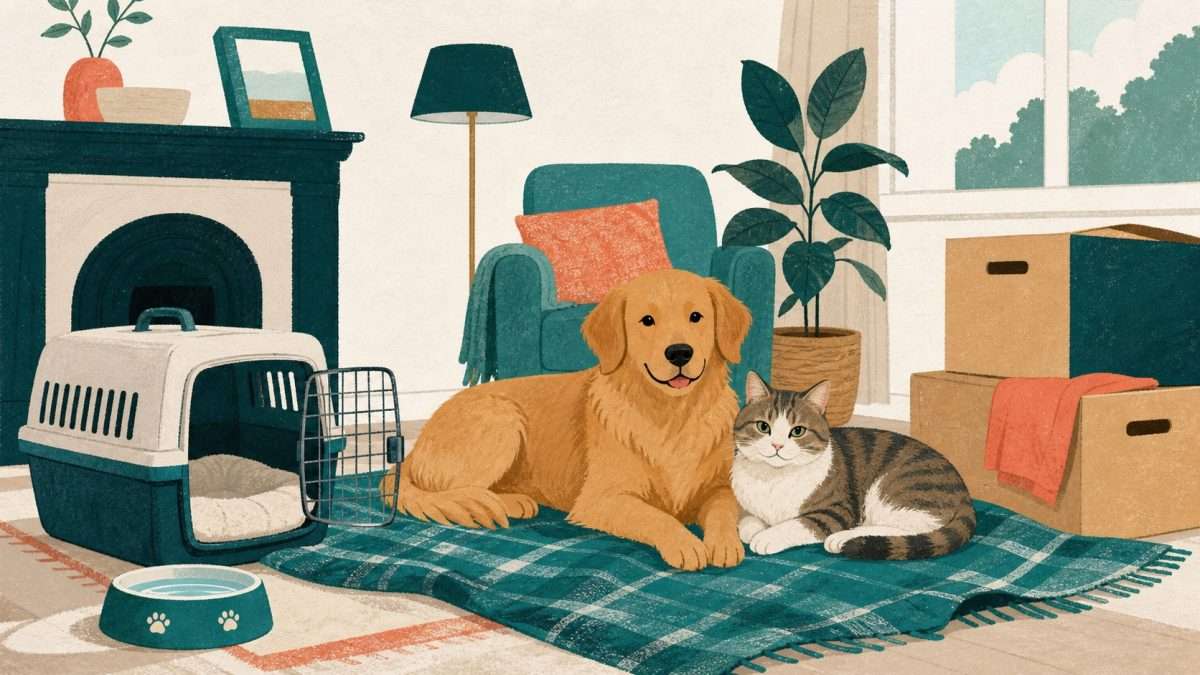
Moving house can be stressful for everyone involved, including your pets. While people understand what’s happening and can prepare accordingly, animals often find moving confusing and unsettling. Changes to their environment, unfamiliar smells, disrupted routines, and travelling to a new property can all contribute to anxiety.
The good news is that most pets adjust well when owners plan ahead and take practical steps to support them throughout the relocation process. Whether you’re moving with a dog, cat, rabbit, or another family pet, preparation can make a significant difference to their comfort and well-being.
In this guide, we’ll look at how to prepare pets before moving day, keep them safe during the move, and help them settle into their new home as quickly as possible.
Contents
- Why Moving House Can Be Stressful for Pets
- Preparing Pets Before Moving Day
- Updating Identification and Veterinary Information
- Packing a Pet Essentials Kit
- Moving Day Tips for Dogs and Cats
- Using Storage During a Family Move
- Helping Pets Settle Into a New Home
- Common Mistakes When Moving with Pets
- How Professional Movers Can Help
- FAQs About Moving House with Pets
Why Moving House Can Be Stressful for Pets

Pets are creatures of habit. They become familiar with routines, smells, sounds, and surroundings. When these suddenly change, many animals experience stress or confusion.
Common signs of relocation-related stress include:
- changes in appetite
- hiding or withdrawal
- increased barking or vocalisation
- accidents indoors
- unusual behaviour
Every pet responds differently. Some adapt quickly, while others may need several weeks to settle into a new environment.
Understanding this from the outset allows owners to plan proactively rather than reacting to problems after moving day.
Move Store & More Tip #1 – Try to maintain your pet’s normal routine as much as possible throughout the moving process.
Preparing Pets Before Moving Day
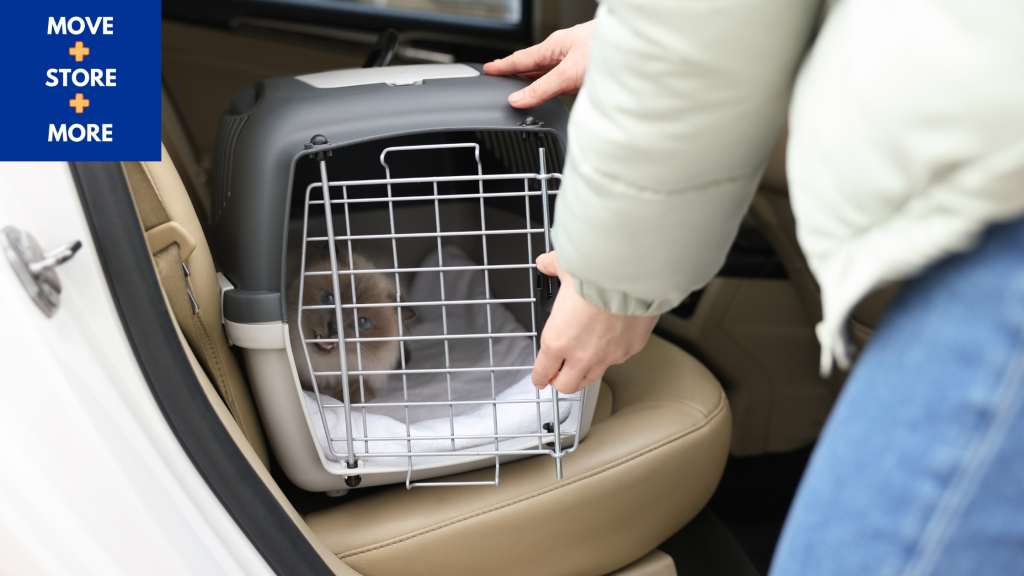
Preparation should ideally begin several weeks before your move.
Sudden changes can be unsettling, so introducing small adjustments gradually often works best. If your pet will be travelling in a carrier, allow them to become familiar with it beforehand rather than introducing it on moving day.
It’s also worth considering:
- travel arrangements
- feeding schedules
- exercise routines
- temporary accommodation if needed
For nervous pets, keeping packing activity confined to certain areas of the home can help reduce anxiety while preparations are underway.
Move Store & More Tip #3 – Update your pet’s microchip and identification details before moving to your new address
Updating Identification and Veterinary Information

One of the most important yet often overlooked parts of moving with pets is ensuring that identification details remain current.
Before moving:
- update microchip information
- check ID tags
- update veterinary records `
- transfer registration details if necessary
This becomes particularly important if your pet becomes disoriented after arriving at the new property.
If you’re moving a considerable distance, you may also want to research local veterinary practices before relocating.
Having this information ready can provide valuable peace of mind.
Move Store & More Tip #3 – Update your pet’s microchip and identification details before moving to your new address.
Packing a Pet Essentials Kit
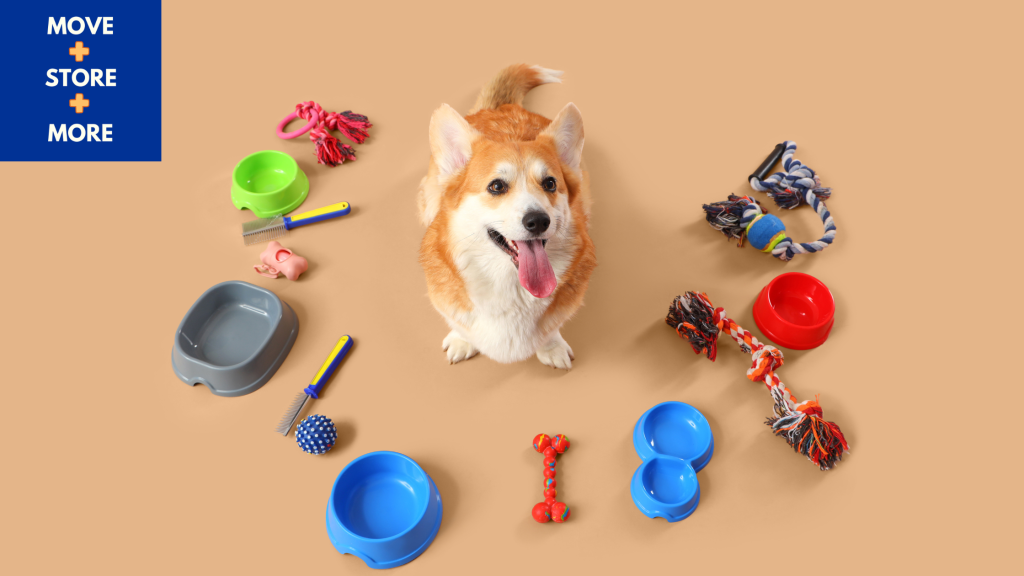
Just as people benefit from an essentials box during a move, pets can benefit from a dedicated travel kit.
A pet essentials kit may include:
- food and treats
- water bowls
- medication
- favourite toys
- bedding
- waste bags
- litter supplies
- grooming items
Keeping these items easily accessible prevents unnecessary stress if boxes remain unpacked for a day or two after arrival.
Familiar items can also help provide comfort during a potentially confusing period.
Move Store & More Tip #4 – Pack a dedicated pet essentials bag that stays with you throughout moving day.
Moving Day Tips for Dogs and Cats
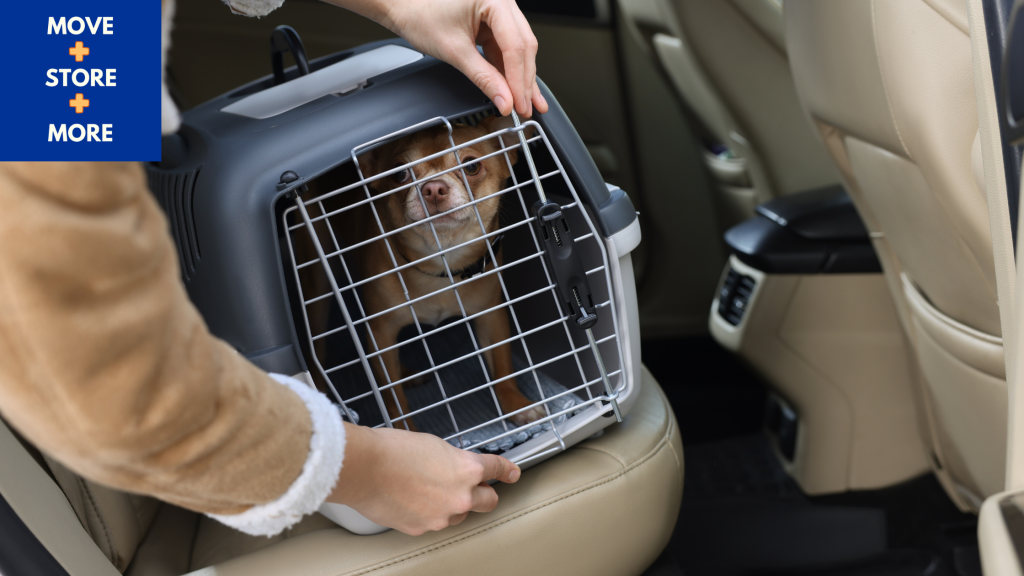
Moving day is often the busiest and most chaotic part of the relocation process.
Doors remain open, furniture is being moved, and unfamiliar people may be entering and leaving the property. This creates opportunities for pets to become frightened or escape.
Many owners find it helpful to:
- keep pets in a quiet room
- use secure carriers
- arrange pet-sitting support
- transport pets separately from removal activities
Dogs should be exercised before the move begins, while cats generally benefit from remaining in a secure, quiet environment until travel time.
The goal is to reduce stimulation and keep pets safe during removals.
Move Store & More Tip #5 – Keep pets away from the busiest moving activities to reduce anxiety and prevent escapes.
Using Storage During a Family Move
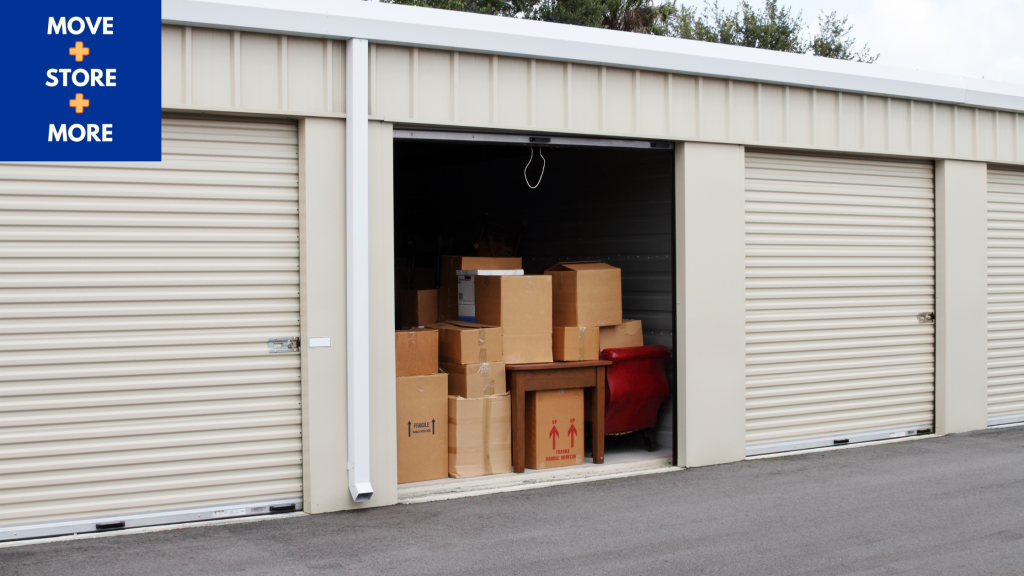
Storage can be extremely useful during family relocations, particularly when moving dates don’t align perfectly.
Many homeowners use storage to:
- declutter before moving
- create more space for packing
- manage temporary accommodation periods
- reduce pressure during the move
While storage works well for furniture and household belongings, pets should never be left in storage units.
Instead, storage can help create a calmer home environment by reducing clutter and making moving day easier to manage.
This often benefits pets indirectly because the household remains more organised throughout the relocation process.
Move Store & More Tip #6 – Use storage to simplify your move, but never use storage facilities to house pets.
Helping Pets Settle Into a New Home
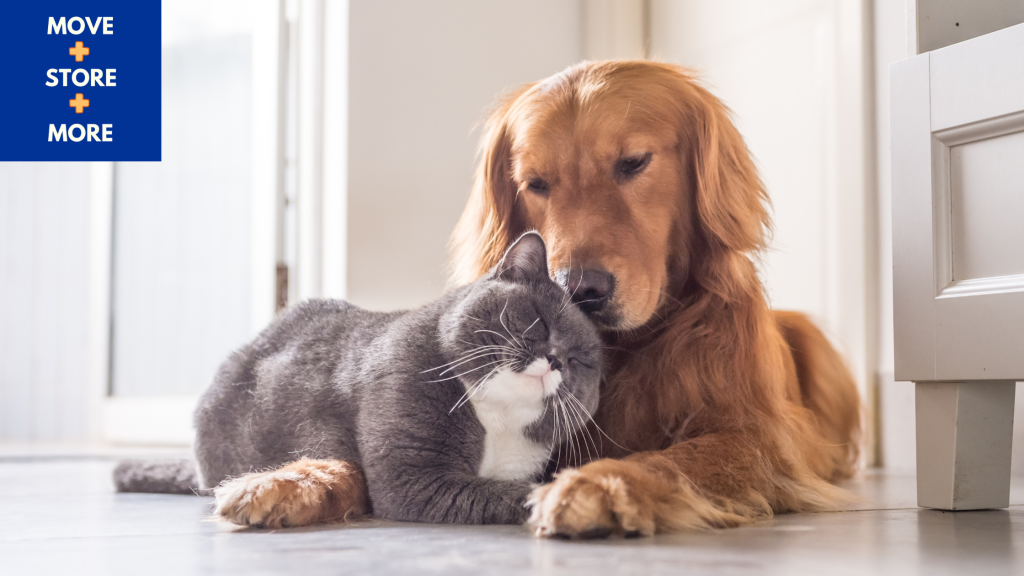
The move isn’t complete once you’ve arrived at the new property.
Many pets need time to adjust to unfamiliar surroundings.
Helpful strategies include:
- maintaining familiar routines
- introducing rooms gradually
- keeping feeding times consistent
- providing familiar bedding and toys
- supervising outdoor access initially
Cats often benefit from being kept indoors for a period after moving, while dogs may need time to become familiar with new walking routes and surroundings.
Patience is often the most important ingredient during this stage.
Move Store & More Tip #7 – Give pets time to adjust gradually rather than allowing unrestricted access immediately.
Common Mistakes When Moving with Pets
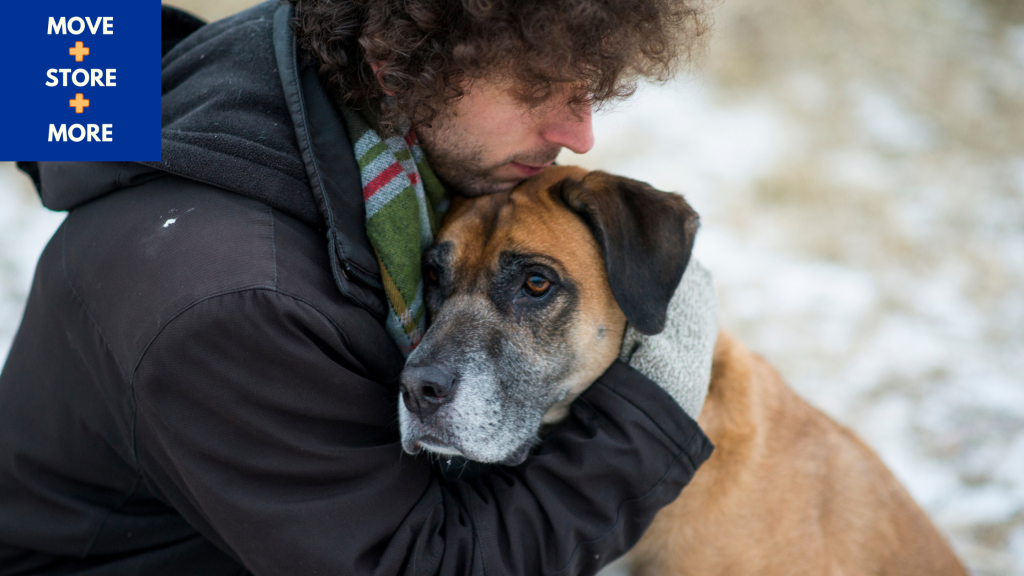
Many moving-related pet problems can be avoided with planning.
Common mistakes include:
- leaving preparations until the last minute
- failing to update identification details
- changing routines too quickly
- transporting pets without suitable carriers
- introducing them to the entire property immediately
Most pets are highly adaptable when given enough time and support.
The key is preparing for the move from your pet’s perspective rather than focusing solely on household logistics.
Move Store & More Tip #8 – Plan your move around your pet’s needs rather than expecting them to adapt instantly.
How Professional Movers Can Help
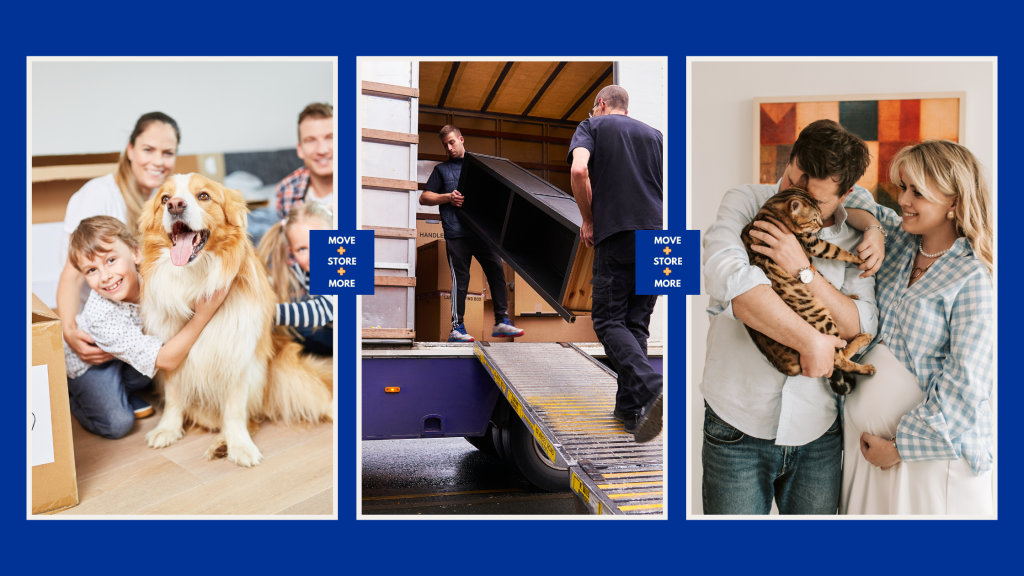
Professional removals services can reduce much of the pressure associated with moving house.
Instead of managing every aspect yourself, professional movers can help with:
- packing assistance
- furniture transportation
- loading and unloading
- storage solutions
- moving-day logistics
This allows owners to devote more attention to children, pets, and other priorities during the move.
Many families find that reducing their own stress levels also helps create a calmer environment for their pets.
Move Store & More Tip #9 – Let professional movers handle the heavy lifting so you can focus on your pets and family.
FAQs About Moving House with Pets
How can I make moving less stressful for my pet?
Maintaining routines, providing familiar items, and preparing gradually are some of the most effective ways to reduce stress.
Should pets travel in a removal van?
No. Pets should usually travel with their owners in a safe, secure vehicle rather than inside a removals vehicle.
How long does it take pets to settle into a new home?
Every animal is different. Some adjust within days, while others may take several weeks to feel fully comfortable.
Can I put pet supplies into storage?
Yes. Food bowls, bedding, toys, and other supplies can be stored if necessary, but pets themselves should never be kept in storage units.
Should I update my pet’s microchip before moving?
Yes. Updating identification details before moving is highly recommended in case your pet becomes lost after relocation.
Move Store & More – Helping Families Relocate Successfully
Moving house involves much more than packing boxes and transporting furniture. For many families, ensuring pets remain safe, comfortable, and settled throughout the process is just as important.
By preparing early, maintaining routines, and planning for your pet’s specific needs, you can significantly reduce the stress associated with relocation.
At Move Store & More, we understand that every move is different. Whether you’re relocating locally, moving long-distance, or using storage as part of your move, good preparation remains one of the best ways to ensure a successful outcome for both you and your pets.
If you still have questions regarding this topic we haven’t covered, please get in touch or leave a comment, and we’ll do some additional digging. Wherever possible, we’ll seek answers and will revert.
We’ll be back with a new blog shortly. Until then, go well, and we hope you’ll Move, Store & More with us soon.
Don’t forget to check out our top suggestions for moving companies by visiting our dedicated “best of” page.