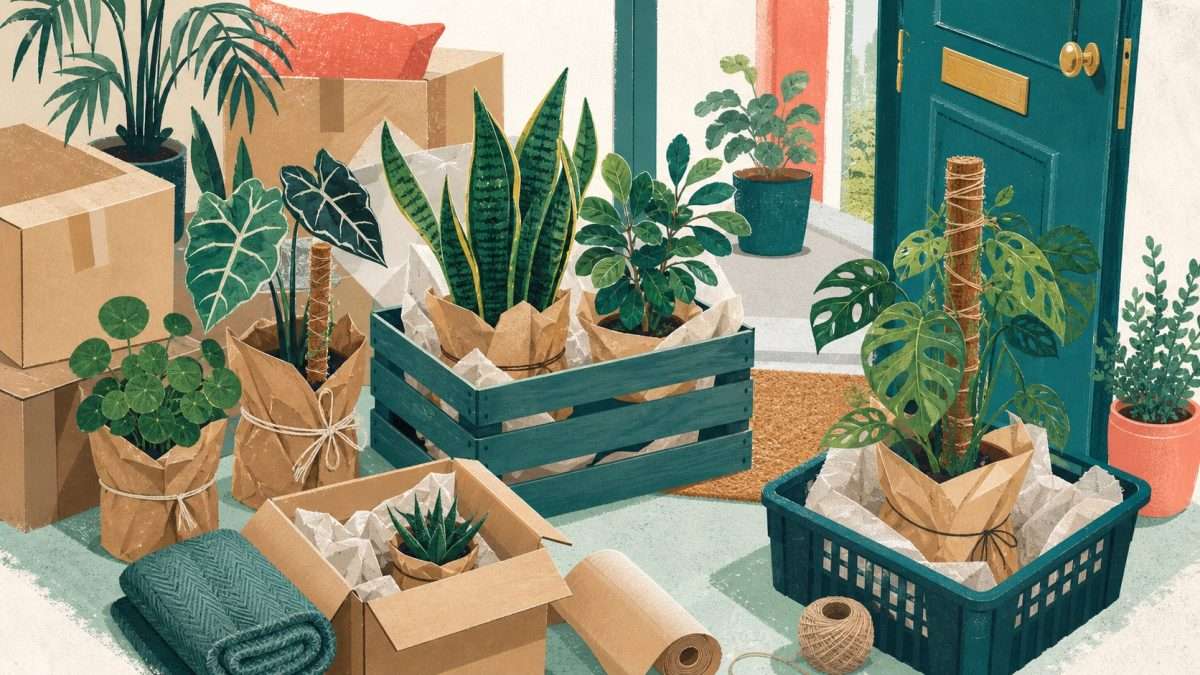
Moving house with plants involves much more than packing boxes and arranging transport. Many homeowners spend years nurturing houseplants, growing vegetables, or creating beautiful gardens, only to realise they haven’t considered how those plants will make the journey to their new property.
Unlike furniture and household belongings, plants are living things. They can be damaged by extreme temperatures, lack of sunlight, poor handling, or extended periods without water. This means they often require a little extra planning when moving day arrives.
The good news is that most plants can be relocated successfully with the right preparation. Whether you’re transporting a collection of houseplants, moving prized garden specimens, or taking potted plants to a new home, a few simple steps can help keep them healthy throughout the move.
Contents
- Why Plants Need Special Consideration During a Move
- Preparing Plants Before Moving Day
- Packing Houseplants Safely
- Moving Outdoor Plants and Garden Features
- Can Plants Go Into Storage?
- Long-Distance Relocations and Plant Care
- Common Mistakes When Moving Plants
- How Professional Movers Can Help
- Frequently Asked Questions
Why Plants Need Special Consideration During a Move
Most household items can withstand a few bumps during transport. Plants are different.
They are sensitive to:
- Temperature changes
- Lack of airflow
- Physical damage
- Dehydration
- Prolonged darkness
Even a short local move can be stressful for some species. Larger houseplants may need careful handling to avoid broken stems, while outdoor plants often require preparation weeks before moving day.
Understanding these risks allows you to build a relocation plan that protects your plants alongside the rest of your possessions, making the process of moving house with plants more straightforward.

Move Store & More Tip #1 – Identify your most valuable or delicate plants early so you can plan their transport separately from the main removal load.
Preparing Plants Before Moving Day
Successfully moving house with plants often begins several weeks before the move itself.
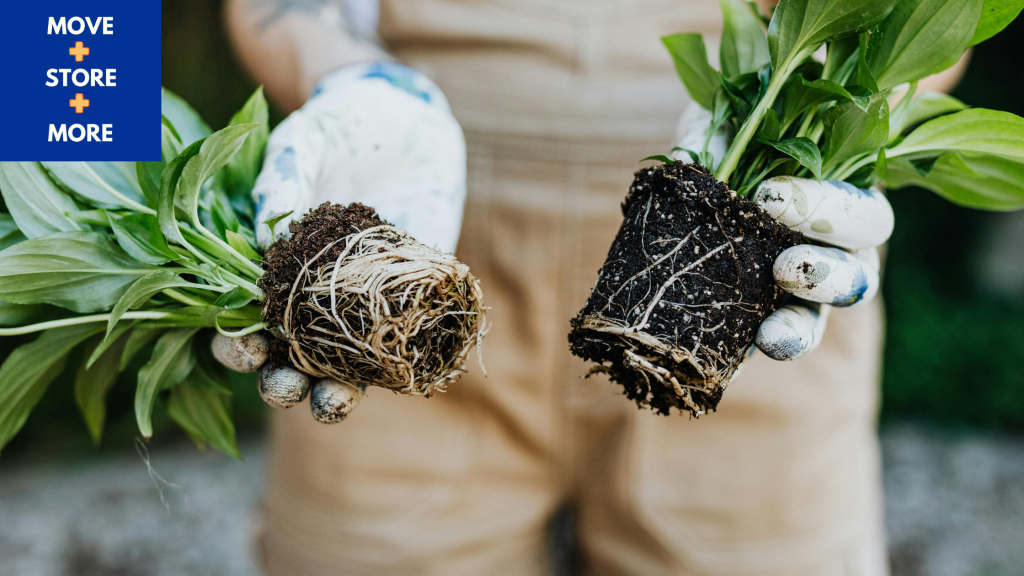
If you’re planning to take plants from your garden, consider transplanting them into suitable containers ahead of time. This gives roots an opportunity to settle before being moved again.
For indoor plants:
- Remove dead leaves
- Check for pests
- Prune damaged growth
- Ensure pots are clean and secure
It’s also worth avoiding fertilisers immediately before moving. New growth can place additional stress on plants during relocation.
Many homeowners use this opportunity to assess which plants they genuinely want to keep. If certain plants are struggling or no longer suit your new property, it may be worth gifting them to friends or family before moving day.
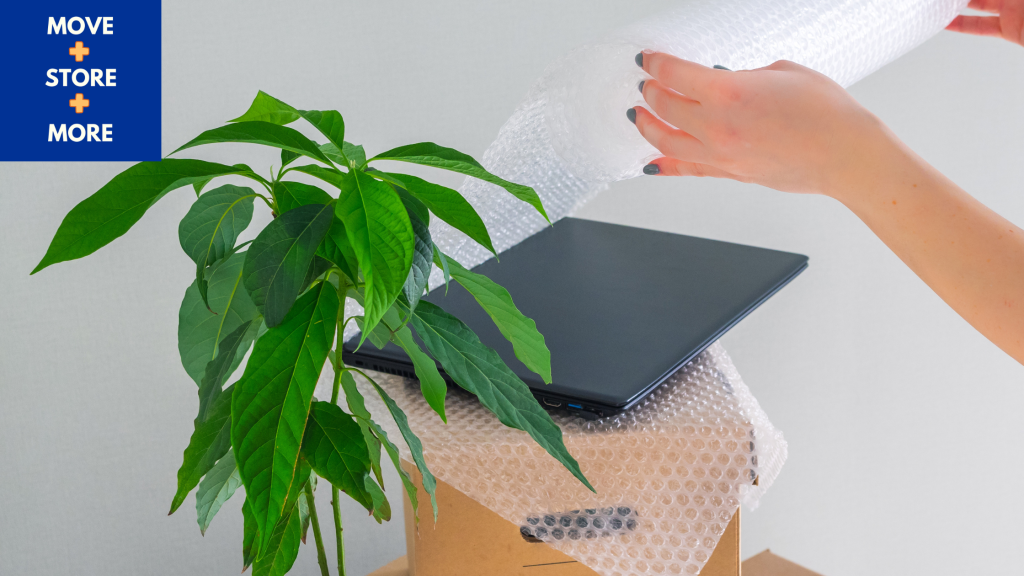
Move Store & More Tip #2 – Start preparing plants at least two to three weeks before your relocation date.
Packing Houseplants Safely
Packing plants requires a different approach from packing furniture or household goods.
Smaller plants can often be placed inside open boxes to prevent pots from shifting during transport. Larger plants may need gentle support around stems and branches to avoid breakages.
When packing houseplants:
- Use sturdy boxes
- Keep plants upright
- Avoid sealing boxes completely
- Protect delicate foliage
- Prevent pots from tipping over
Most plants travel best in the temperature-controlled environment of a car rather than inside a removal vehicle. This is especially important during extremely hot or cold weather.
If possible, make plants one of the last items loaded and one of the first items unloaded at your new home.

Move Store & More Tip #3 – Transport valuable houseplants in your own vehicle whenever possible.
Moving Outdoor Plants and Garden Features
Many homeowners assume garden plants must be left behind, but that’s not always the case.
Potted plants are generally straightforward to move. Established garden plants require more planning.
Depending on the species, you may be able to:
- Divide mature plants
- Take cuttings
- Transplant shrubs
- Relocate smaller trees
Timing matters. Certain plants handle relocation better during the dormant season, while others prefer to be moved in cooler weather.
You should also check whether your new property has suitable conditions before moving large numbers of plants. Sunlight, soil type, and available space can all influence whether relocation is worthwhile.
Move Store & More Tip #4 – Research individual plant species before attempting to move mature shrubs or garden specimens.
Can Plants Go Into Storage?
This is one of the most common questions people ask during a move.
In most situations, plants should not be placed in self storage units for extended periods.
Plants need:
- Light
- Fresh air
- Water
- Stable temperatures
Storage units are designed for furniture, boxes, and household possessions rather than living plants.
However, storage can still play an important role when relocating.
Many homeowners use self storage to temporarily house furniture and packed belongings, creating more space to organise their move and focus on transporting plants safely.
This can be particularly useful during staggered moves or when waiting for completion dates.

Move Store & More Tip #5 – Use storage for your household contents, not for living plants.
Long-Distance Relocations and Plant Care
Long-distance moves present additional challenges.
Plants may spend several hours in transit, increasing the risk of dehydration and temperature-related stress.
Before travelling:
- Water plants appropriately
- Avoid overwatering
- Remove damaged leaves
- Secure pots carefully
If your journey will take more than a day, you may need to monitor plants during stops and ensure they aren’t left in hot vehicles for extended periods.
For particularly valuable plants, specialist plant transport services may also be worth investigating.
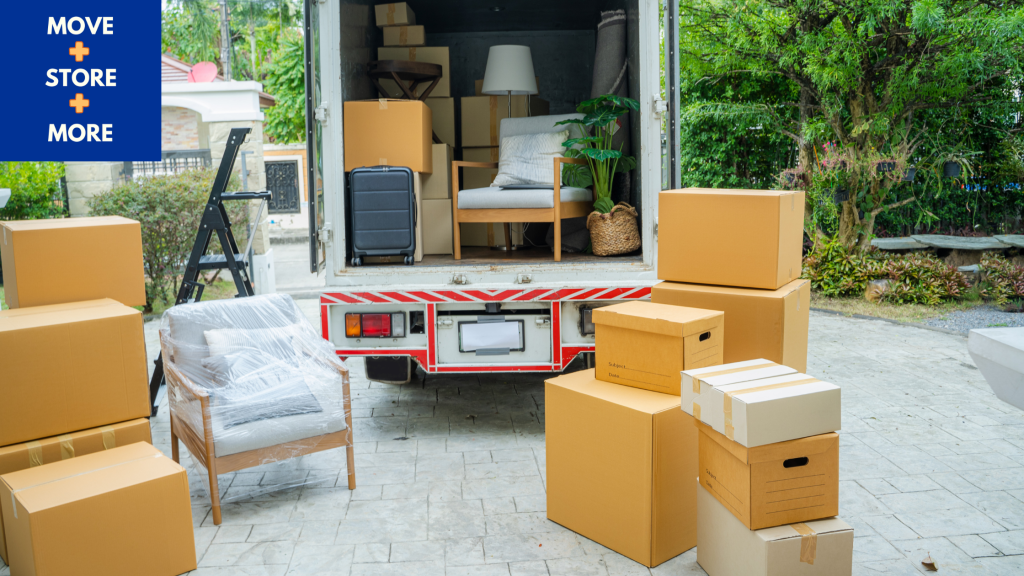
Move Store & More Tip #6 – Monitor weather conditions carefully when transporting plants over long distances.
Common Mistakes When Moving Plants
Plant damage during relocations often results from simple, avoidable mistakes.
Some of the most common include:
Overwatering Before Transport
Many people assume extra water helps plants survive the journey. In reality, saturated soil can cause root problems and make pots heavier and more difficult to handle.
Leaving Plants Until the Last Minute
Plants require planning. Waiting until moving day often creates unnecessary stress.
Packing Plants Too Tightly
Crushed foliage and broken stems are common when plants are squeezed between boxes and furniture.
Ignoring Temperature Changes
Cold snaps, heatwaves, and prolonged exposure to direct sunlight can quickly damage sensitive plants.
Moving Unhealthy Plants
A struggling plant may not survive relocation. Assess plant health before deciding whether it’s worth taking it with you.
Move Store & More Tip #7 – Treat plants as fragile possessions and plan their transport separately from general packing.
How Professional Movers Can Help
While many homeowners transport plants themselves, professional movers can still make the process easier.
By handling:
- Furniture
- Appliances
- Boxes
- Household contents
Removal companies allow you to focus on transporting plants safely and efficiently. However, you must always double-check with any prospective moving company whether they can accommodate plants, as not all do.
Storage services can also provide flexibility when moving dates don’t align perfectly, reducing pressure and helping you organise your relocation more effectively.
The less chaos there is on moving day, the easier it becomes to give delicate items—including plants—the attention they require.

Move Store & More Tip #8 – Let movers handle the heavy lifting so you can focus on safely transporting delicate plants.
Frequently Asked Questions
Can I take plants with me when moving house?
In most cases, yes. Houseplants, potted plants, and many garden plants can be relocated successfully with proper preparation.
Should plants travel in a removal van?
Smaller and more valuable plants are usually safer in your own vehicle, where temperature and handling can be monitored more easily.
How far in advance should I prepare plants for a move?
Ideally, preparation should begin two to three weeks before moving day, especially for outdoor plants that may need to be transplanted.
Can plants be stored temporarily during a move?
Plants should not normally be placed in storage units. They require light, water, and airflow to remain healthy.
What should I do with plants I can’t take with me?
You could gift them to friends or family, donate them locally, or take cuttings before moving.
Move Store & More – Helping You Relocate Your Home and Garden
Moving home often means thinking beyond furniture and boxes. Plants are an important part of many homes, and with the right preparation, most can be transported successfully to their new surroundings.
By planning ahead, using suitable packing methods, and understanding the needs of different plant species, you can reduce stress and improve the chances of a successful relocation.
Whether you’re moving across town or relocating further afield, good organisation is the key to protecting everything that makes your house feel like home—including your plants.
If you still have questions regarding this topic we haven’t covered, please get in touch or leave a comment, and we’ll do some additional digging. Wherever possible, we’ll seek answers and will revert.
We’ll be back with a new blog shortly. Until then, go well, and we hope you’ll Move, Store & More with us soon.
Don’t forget to check out our top suggestions for moving companies by visiting our dedicated “best of” page.